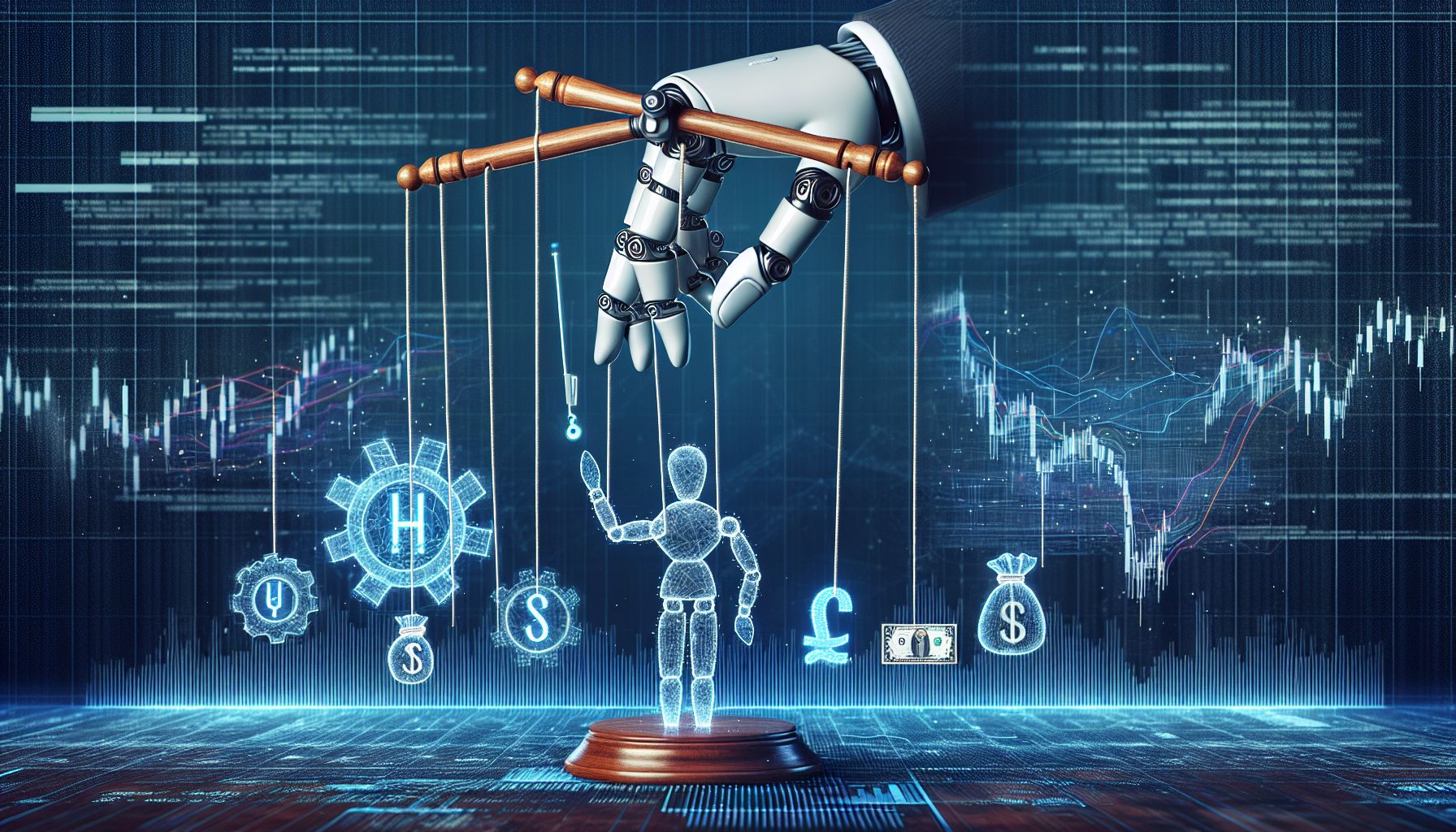

Welcome back to another dive into the world of emerging technologies. Today, we’re looking at Artificial Intelligence (AI) and what it means for government and economic policy. You know, those two areas that often feel like watching your computer updates—tedious yet absolutely essential. AI isn’t just new tech; it’s what we might use to build a techno-utopia, or at least try to build one. So, let’s explore this weird world where bots are becoming mayors, senators, and maybe even finance ministers.
A New Era of Governance: AI in the Political Matrix
Have you ever thought about what a better government might look like in the age of AI? Some of you probably imagine a world where AI algorithms optimize traffic flows or manage city resources more efficiently. But have you considered AI sitting at the decision-making table, advising—or even replacing—human politicians? This sounds like sci-fi, but it’s increasingly something policymakers are wrestling with.
Smarter Cities Need Smarter Policies
Everyone’s talking about “smart cities” these days. At their core, smart cities run on AI algorithms that optimize everything from public transportation to energy consumption. What makes this interesting from a policy standpoint is the need for governance that actually prioritizes data-driven decisions. Here, AI can cut through bureaucratic processes that have historically slowed innovation and progress.
Take Singapore, for example. The city-state has used AI to optimize traffic lights and reduce congestion, which improved quality of life for its citizens. As these technologies continue to develop, government bodies need to adopt policies that promote infrastructure improvements while protecting data privacy and security.
The AI Legislative Assistant
Imagine a virtual assistant for lawmakers. An AI advisor that could offer real-time data analysis on proposed legislation. This kind of tool could make governments more responsive by helping decision-making processes that are currently too slow for our rapid-tech pace. A partner, not a replacement, but one that could help elected officials understand issues better and write more informed policies.
Economic Policy Gets an AI Makeover
Alright, let’s switch gears and talk economics—specifically, how AI is about to transform economic policy, labor markets, and the broader economic picture.
The Future of Work: AI and Industry 4.0
The Fourth Industrial Revolution—known for its blend of AI, robotics, and IoT—is here, changing the job market at an unprecedented rate. As automation takes over routine tasks, we can’t ignore what this means for employment and wages.
Governments need to rethink economic policies, possibly introducing Universal Basic Income (UBI) or creating incentives for skills training programs to prepare workers for a highly automated future. The goal? To reimagine labor policies that work with technological advancements, preventing unemployment by taking proactive measures rather than scrambling after a crisis hits.
AI and Financial Markets: Navigating Uncharted Waters
The financial market is another area ripe for AI transformation. High-frequency trading algorithms and robo-advisors have already disrupted traditional finance models. These developments require a fresh look at current financial regulations to address AI-driven risk, ethical considerations, and the economic consequences of AI being both investor and adviser.
Ethical Implications and Policy Dilemmas
Ah, the age-old question of ethics. Just because we can, does it mean we should? As AI becomes more central to governance and economics, ethical considerations get even trickier.
The Algorithmic Bias Conundrum
Governance that relies heavily on AI risks perpetuating algorithmic biases. AI systems, if not properly monitored and fed diverse data, can reinforce gender, racial, and social biases. Policymakers must ensure that checks and balances exist to eliminate such biases and maintain public trust.
Data Privacy: The New Frontier
Data is the gold of the digital age. It’s what feeds AI algorithms so they can learn and adapt. However, as AI systems take on governmental roles, the potential for data misuse increases. Policymakers now face the challenge of protecting citizens’ data without killing innovation.
Conclusion: Charting the Course for an AI-Powered Future
AI’s role in changing governance and economic systems is a double-edged sword—an opportunity loaded with risks if we pursue it blindly. Yet, like any pioneering journey, careful navigation is key. As we stand on the edge of a brave new world, policymakers need to embrace this potential cautiously and thoughtfully.
To build a techno-utopian society, collaboration between technologists, policymakers, and citizens will be essential. Balancing innovation with ethical considerations isn’t just a responsibility but a guide toward a future where AI doesn’t just improve our lives—it enriches them completely.
So, are we ready to embrace an AI-infused governance and economic system? The tools are available, the roadmap is in our hands. As technologists, creators, and citizens, it’s up to us to ensure that tomorrow’s policymaking is as intelligent as the systems we want to create. Let me know your thoughts in the comments below or get in touch via email. Until next time, keep dreaming and building that better tomorrow.