
How Politics Went Digital
Political participation looks completely different now than it did even five years ago. Nearly three-quarters of voters under 35 get their political news mainly from social media platforms. This isn’t just about switching from newspapers to Twitter. It’s changing how political information spreads, how movements get organized, and how power actually works in democracies.
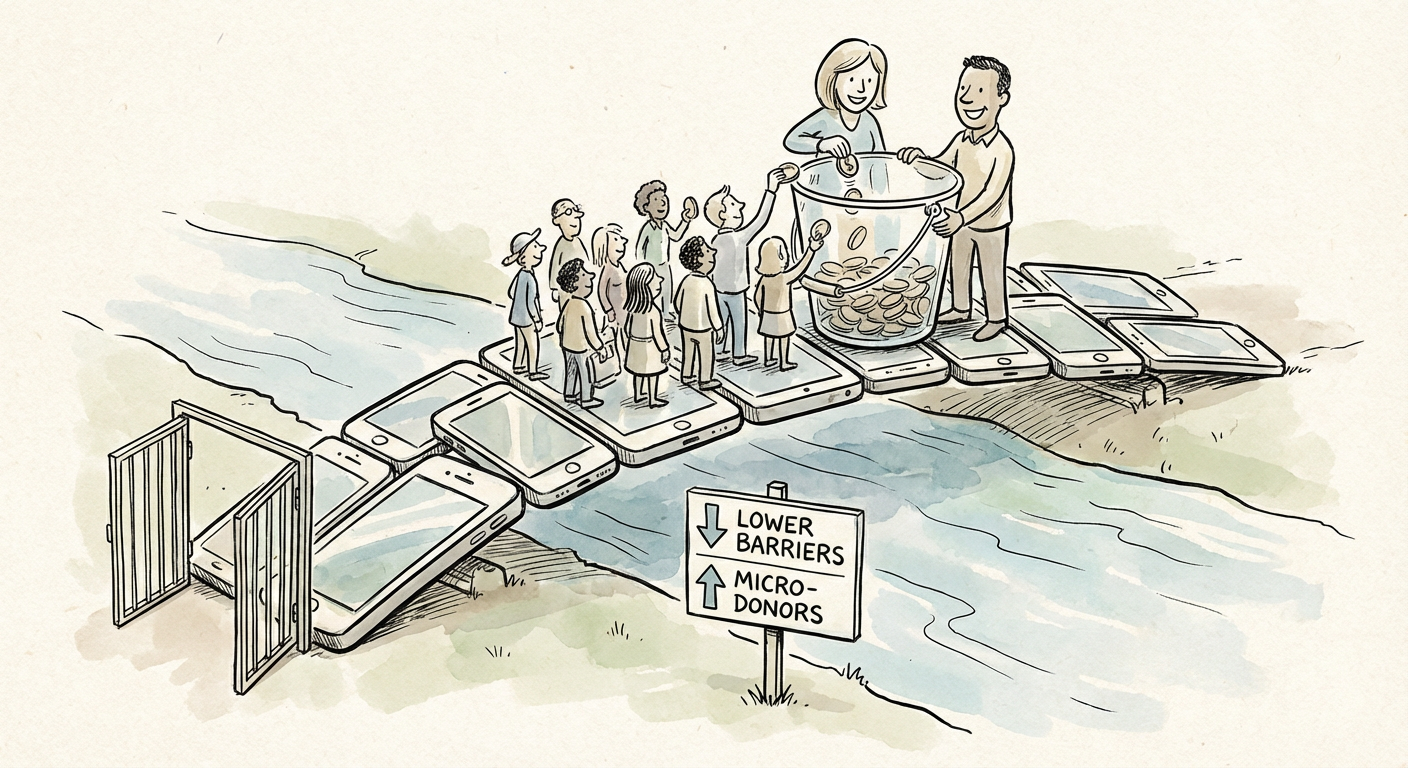
At first glance, the democratic potential looks pretty exciting. Open-source tools for voter outreach and canvassing are now standard campaign infrastructure. Small organizations can compete with well-funded operations in ways that seemed impossible before. Digital fundraising platforms have opened doors for political candidates who would have struggled to raise money through traditional channels. They can tap into networks of small-dollar donors who might never have written checks or attended fundraising dinners. WhatsApp and Telegram have become powerful organizing tools, helping grassroots movements coordinate across different communities worldwide.
But here’s the thing: this technological revolution in politics comes with some serious complications. The same tools that let more people participate in politics also create new weak points in democratic systems. The real question isn’t whether digital tools will keep shaping political life, but whether they’ll end up making democracy stronger or weaker.
How Digital Organizing Actually Works
Most political organizing today happens through encrypted messaging platforms that let activists and voters coordinate quickly. These private communication channels work especially well for mobilizing communities around local issues. Think municipal elections, neighborhood organizing efforts, housing advocacy. The speed and reach of these networks can shift political dynamics in days or even hours.
The organizing tools available now would have blown minds just ten years ago. Campaign software connects voter databases with social media analytics, so organizers can target their outreach with scary precision. Volunteer recruitment and coordination happen through platforms that automate the traditional grunt work. Phone banking, door-to-door canvassing, data entry, all streamlined.
This has completely changed the economics of running for office. Campaigns that used to need substantial upfront investment in infrastructure and staff can now launch with minimal overhead. They rely on digital tools to scale up their operations quickly. The result is a more dynamic political environment where new voices can emerge fast. But it also means traditional party organizations and established institutions have much less influence as gatekeepers.
When Algorithms Mess with Democracy
Here’s where digital democracy hits a major snag: algorithmic content curation. Major social media platforms have been caught systematically amplifying content that generates strong emotional reactions, especially outrage and anger. This happens across the political spectrum, but the overall effect pushes public discourse toward increasingly polarized extremes.
This is bad news for democratic discussion. When algorithms reward the most provocative content with greater visibility, political actors have strong reasons to adopt increasingly extreme positions. The nuanced policy discussions that healthy democratic governance actually needs struggle to gain traction in an information environment optimized for engagement rather than understanding. Research from the Brennan Center democracy research shows this dynamic affects not just political discourse but also how voters behave and what policies get passed.
There’s another problem: algorithmic curation creates information bubbles that reinforce existing beliefs and limit exposure to different perspectives. This isn’t new, but modern recommendation systems make it much worse. Users get increasingly personalized streams of political information that may look nothing like what their fellow citizens are seeing.
Foreign Meddling Gets Easier
Digital platforms have created new ways for foreign actors to mess with democratic processes. Intelligence agencies have documented sophisticated influence operations targeting major elections through coordinated campaigns on X, Facebook, and TikTok. These operations often exploit the same algorithmic amplification that distorts regular political discourse, using networks of automated accounts to artificially boost divisive content.
Foreign interference shows a broader weakness in digital democratic systems. Online platforms don’t have borders, which means domestic political conversations are inherently vulnerable to outside manipulation. Traditional concepts of electoral integrity focused mainly on voting procedures and campaign finance. Now they have to account for information warfare conducted through commercial social media platforms.
Platform companies face impossible choices in addressing these challenges. Aggressive content moderation gets them accused of censorship and political bias. Permissive approaches let bad actors exploit democratic vulnerabilities. The scale of content on major platforms makes human review impractical for most purposes, but automated systems struggle with the contextual nuance that political content requires.
Building Better Digital Democracy
Moving forward means acknowledging both the democratic potential and the real risks of digital political engagement. Rather than backing away from technological innovation in politics, democratic societies need more sophisticated approaches to harnessing these tools while reducing their dangers. This means building digital literacy among citizens, creating transparency requirements for political advertising and algorithmic curation, and developing international cooperation frameworks to address cross-border influence operations.
The experiences documented by outlets like Democracy Now and other independent media organizations show that grassroots digital organizing can successfully challenge entrenched power structures when used strategically. But realizing this potential requires moving beyond techno-optimism toward a more realistic understanding of how digital tools interact with existing political and economic systems.
The future of digital democracy will be shaped by choices made today about platform governance, algorithmic transparency, and the regulatory frameworks governing political technology. These decisions will determine whether digital tools ultimately expand democratic participation or concentrate power in the hands of a few large technology companies and their algorithms.
The conversation about digital democracy needs to keep evolving as quickly as the technology itself. What aspects of this transformation do you see as most promising or concerning in your own political community?