
Category: Default

How Supreme Court Water Rights Decisions Shape Your Local Utility Bills

The Deceptive Simplicity of Water Allocation When most Americans turn on their taps, they see what looks like a straightforward transaction: municipal water flows, and a monthly bill arrives. But beneath this everyday interaction sits one of the most complex areas of constitutional law, where century-old precedents crash into modern scarcity, and where Supreme Court […]


Read Full Article

The Austro-Hungarian Dilemma: What America’s Alliance Strategy Can Learn from the Dual Monarchy’s Diplomatic Balancing Act

The Complexity of Managing Competing Loyalties When foreign policy analysts today debate America’s strategic commitments across multiple theaters, they usually talk about imperial overstretch or multipolar competition. But there’s a more telling historical parallel in the diplomatic mess that Austria-Hungary faced from 1867 to 1914. The Dual Monarchy tried to balance competing ethnic loyalties within […]

Read Full Article

When Free Trade Becomes a National Security Question: What the 1930s Teach Us About Today’s Economic Wars

The Ghosts of Smoot-Hawley in a Semiconductor Shortage In June 1930, President Herbert Hoover signed the Smoot-Hawley Tariff Act despite a petition from 1,028 economists warning against it. The legislation raised tariffs on over 20,000 imported goods to protect American industries during the early stages of what would become the Great Depression. Within two years, […]

Read Full Article

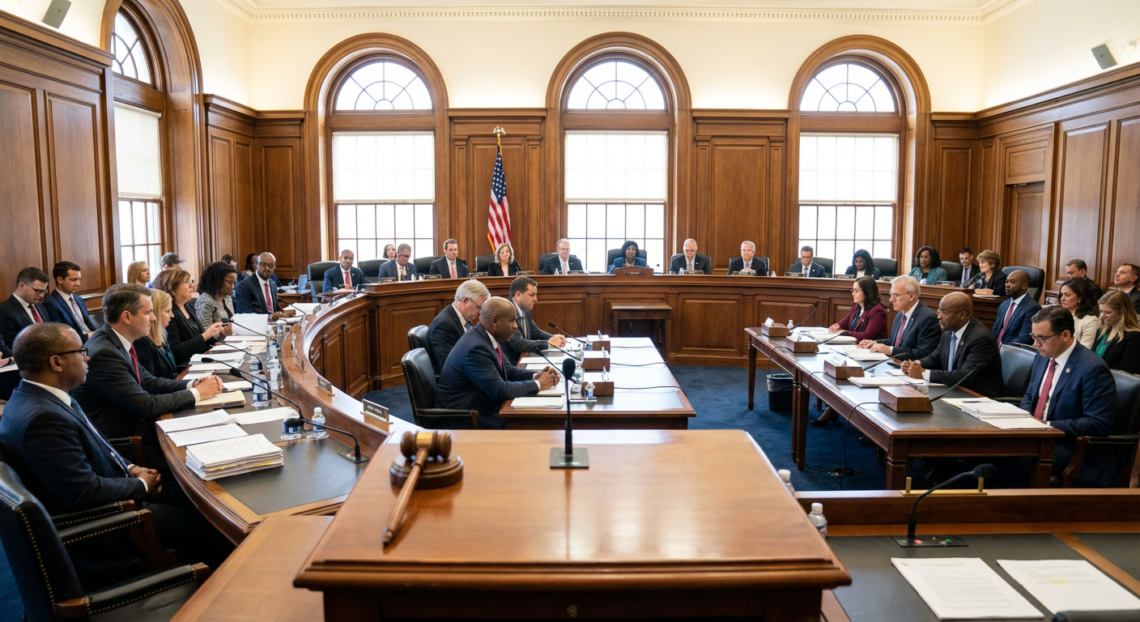
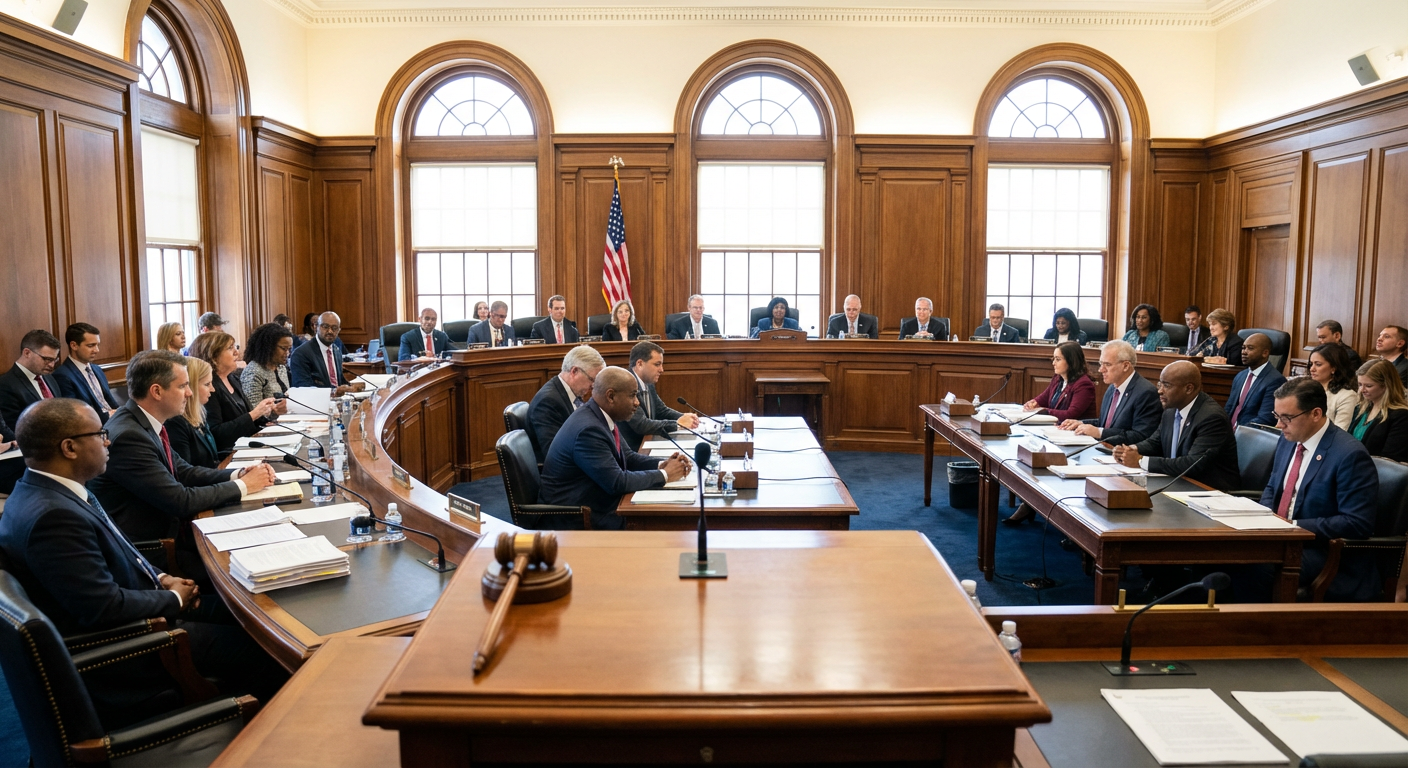
Why the House Science Committee’s Boring Tuesday Meeting Just Rewrote Climate Policy

When Procedural Theater Becomes Real Policy At 2:47 PM last Tuesday, Representative Eddie Bernice Johnson gaveled in what looked like a routine markup session of the House Committee on Science, Space, and Technology. The agenda listed seventeen items, mostly technical adjustments to research funding allocations. By 4:15 PM, however, the committee had quietly done something […]

Read Full Article

The Quiet Revolution: Why State Legislatures Are Becoming the Real Centers of American Governance

The Federal Gridlock Paradox While Washington captures headlines with its theatrical dysfunction, something interesting has been happening in state capitals across the country. I’m not talking about political theater or partisan games here. This is a real shift in how American governance works, and it’s happening faster than most constitutional scholars expected. The gridlock that […]

Read Full Article

Why Healthcare Reform Keeps Failing: Lessons From a Century of False Starts

The Persistent Puzzle of American Healthcare Policy American healthcare reform presents one of the most stubborn paradoxes in modern policy design. Despite nearly a century of attempts, from Franklin Roosevelt’s initial Social Security proposals through the Affordable Care Act and beyond, the United States remains the only developed nation without universal healthcare coverage. This persistence […]

Read Full Article

The Hidden Architecture of Healthcare Reform: Why Good Intentions Meet Market Realities

The Complexity Behind Simple Solutions When politicians promise to “fix healthcare,” they’re tackling what economists call a multi-principal problem wrapped in information asymmetries and bundled with moral hazard. The apparent simplicity of universal coverage or market-based solutions masks a complex web of competing incentives that would challenge even the most sophisticated policy architects. Healthcare markets […]

Read Full Article

The Architecture of Accountability: Why Government Transparency Requires More Than Just Open Records

The Paradox of Information Abundance When the Freedom of Information Act passed in 1966, the promise seemed straightforward: citizens would finally have the tools to peer inside the black box of government decision-making. Nearly six decades later, we’re drowning in data while starving for understanding. Federal agencies now release millions of pages annually through FOIA […]

Read Full Article

Digital Democracy’s Double Edge: How Technology Reshapes Political Power

How Politics Went Digital Political participation looks completely different now than it did even five years ago. Nearly three-quarters of voters under 35 get their political news mainly from social media platforms. This isn’t just about switching from newspapers to Twitter. It’s changing how political information spreads, how movements get organized, and how power actually […]

Read Full Article

Following the Money: How Economic Interests Shape the Climate Policy Battlefield

The Trillion-Dollar Question Behind Climate Urgency The Intergovernmental Panel on Climate Change has drawn a line in the sand, marking 2030 as the critical moment when humanity must fundamentally alter its relationship with carbon emissions. But behind this scientific deadline lies a complex web of economic incentives that will ultimately determine whether the world meets […]

Read Full Article