
When Procedural Theater Becomes Real Policy
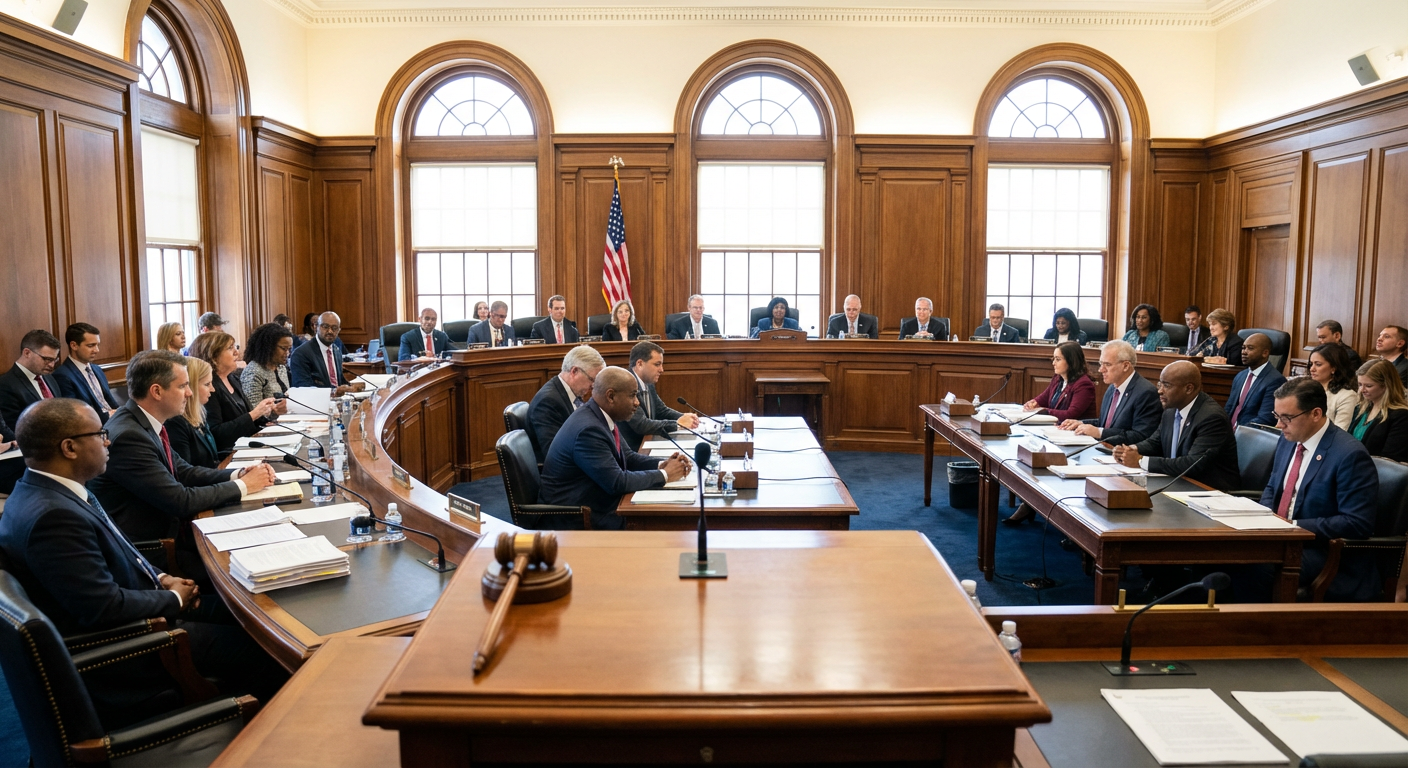
At 2:47 PM last Tuesday, Representative Eddie Bernice Johnson gaveled in what looked like a routine markup session of the House Committee on Science, Space, and Technology. The agenda listed seventeen items, mostly technical adjustments to research funding allocations. By 4:15 PM, however, the committee had quietly done something that months of high-profile floor debates couldn’t pull off: they completely changed how federal climate research gets prioritized and funded for the next decade.
This happened without dramatic speeches or partisan theatrics. Instead, it came through the kind of procedural maneuvering that makes C-SPAN viewers check their phones. An amendment to modify oversight requirements for National Science Foundation climate grants got proposed during the markup’s third hour when most journalists had already left. That change ultimately shifted $2.3 billion in research priorities. It passed 22-19, with three Republicans joining Democrats after quiet negotiations that had been happening in sidebar conversations all morning.
This shows something important about how Congress actually works that rarely makes it into public discussion: the biggest policy changes often come not from the performative battles we see on cable news, but from the grinding, technical work that happens in committee rooms when the cameras are somewhere else. To understand how these processes actually work, you need to look at three different but connected systems: the formal rules that govern committee operations, the informal networks that shape how members behave, and the outside pressures that influence both.
The Architecture of Influence
Congressional committees work within a formal structure that looks straightforward but hides a lot of complexity. Each committee has specific jurisdictional boundaries set by House and Senate rules, but these boundaries overlap constantly in ways that create both opportunities and fights. The House Energy and Commerce Committee, for example, shares authority over environmental regulation with the Science Committee, the Natural Resources Committee, and the Transportation and Infrastructure Committee. This jurisdictional mess isn’t an accident. It’s a feature that lets legislative entrepreneurs shop around for the best venue for their priorities.
The committee assignment process itself shows how institutional design shapes policy outcomes. Members request assignments based on their districts’ interests, their personal expertise, and their career ambitions within Congress. A rep from a district with major universities will likely want Science Committee membership. Those from agricultural areas head toward Agriculture. This self-selection creates committees full of members who actually care about the issues they’re considering, but it also creates echo chambers where industry perspectives can take over without much pushback.
Committee leadership positions add another layer of complexity. Chairs control the agenda, decide which bills get hearings, and manage information flow to members. The current system awards these positions mostly based on seniority within the majority party, creating a gerontocracy where chairs often represent districts and perspectives that may not reflect broader party priorities. When Representative Frank Pallone took over Energy and Commerce in 2019, his New Jersey coastal district’s vulnerability to sea-level rise significantly changed how the committee approached climate legislation. Individual circumstances can reshape national policy conversations.
The Invisible Hand of Staff Networks
Behind every committee’s public face runs a complex ecosystem of professional staff whose expertise and relationships often matter more than the members they serve. Committee staff directors, typically hired by the chair and ranking member, bring decades of specialized knowledge to complex policy questions. These people often move between committee positions, executive branch agencies, and lobbying firms, creating networks of professional relationships that cross partisan lines.
The staff briefing process shows this hidden influence perfectly. Before major hearings or markups, staff from both parties typically spend weeks preparing their members, turning complex technical information into digestible talking points and strategic recommendations. During the 2021 infrastructure negotiations, committee staff from Transportation and Infrastructure spent months working out various funding formulas and their political implications. That work shaped the bill’s final structure more than any public hearing testimony.
These staff networks also make the kind of informal information sharing happen that allows legislative compromise. When the Senate Judiciary Committee was considering Supreme Court reform proposals in 2021, Republican and Democratic staff kept talking about constitutional precedents and procedural options, even while their bosses engaged in public partisan warfare. These behind-the-scenes discussions helped identify areas of potential agreement that would have been impossible to discover through formal hearings alone.
External Pressures and Internal Dynamics
Committee decision-making happens within a complex web of outside pressures that include interest group lobbying, media coverage, and electoral considerations. But these pressures interact with internal committee dynamics in ways that often produce surprising results. Members who appear ideologically rigid in public settings frequently show remarkable pragmatism in committee work, particularly when addressing technical issues that don’t generate significant media attention.
The lobbying environment around committees has changed dramatically over the past two decades. Traditional trade associations and professional lobbying firms now compete with advocacy organizations, think tanks, and even academic institutions for committee attention. This explosion of voices can sometimes improve deliberation by giving members diverse perspectives, but it can also create information overload that paralyzes decision-making. The House Financial Services Committee’s consideration of cryptocurrency regulation shows this perfectly: members got conflicting technical briefings from dozens of organizations, each claiming exclusive expertise on rapidly evolving technology.
Committee members also have to navigate the tension between their committee work and their broader political careers. High-profile committees like Judiciary or Intelligence provide national media exposure that helps with fundraising and political advancement, but they may also force members into partisan positions that complicate reelection in competitive districts. This helps explain why some of the most effective legislative work happens in lower-profile committees where members face fewer incentives for performative behavior.
The Paradox of Democratic Expertise
The committee system captures a basic tension in democratic governance: the need for specialized expertise in an institution designed to represent diverse public opinion. Members develop real policy expertise through years of committee service, yet they remain accountable to constituents who may lack the technical knowledge to evaluate their work effectively. This creates opportunities for both enlightened governance and elite capture, sometimes simultaneously within the same committee.
Recent changes in committee operations reflect broader shifts in American politics and governance. The increasing polarization of the electorate has reduced incentives for cross-party collaboration, even on technical issues where partisan differences might seem irrelevant. At the same time, the growing complexity of policy challenges requires ever-greater specialization from members and staff, potentially widening the gap between committee expertise and public understanding.
The question facing congressional observers is whether these institutional arrangements can adapt to contemporary governance challenges while maintaining democratic legitimacy. As policy questions become more technical and urgent, and as public trust in institutions continues to erode, the tension between expertise and accountability will likely get worse. How congressional committees navigate this tension may determine not only the quality of federal policy but the broader health of American democratic institutions.